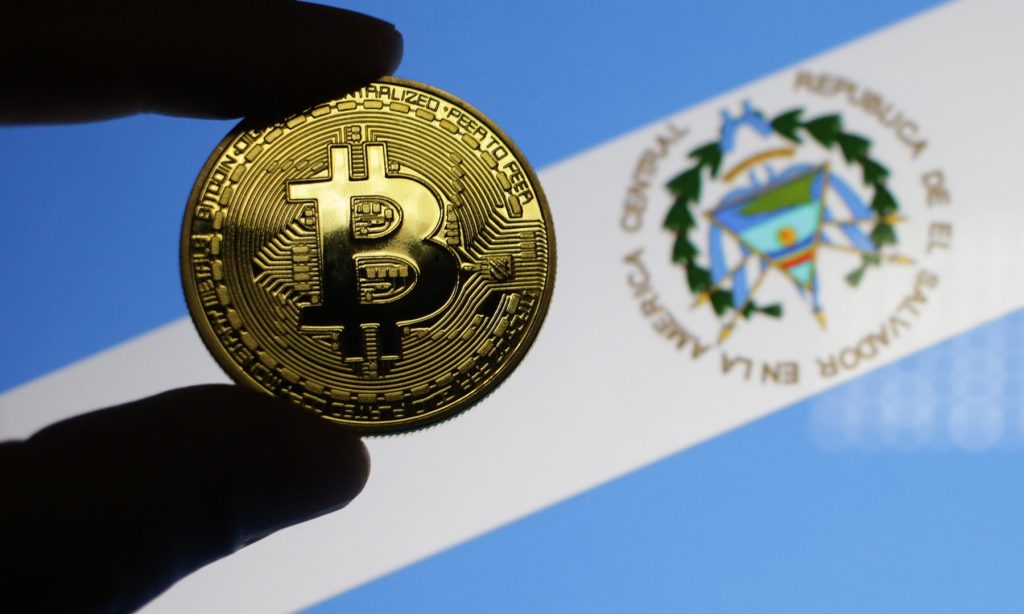
It has been a year since El Salvador adopted Bitcoin as legal tender, the first country in the world to do so. The central American country’s move was intended to reduce its dependence on USD for domestic transactions, attract foreign investments, and bring down the cost of foreign exchange settlement.
A year on since the announcement on 7 September, 2021, there have been many hits and misses as Bitcoin’s value has dropped by over 60% during the period. On the day it was made legal tender, Bitcoin was trading at $46,000 and the government also made its first bitcoin purchase, purchasing 200 BTC for $10.36 million at an average price of $51,800. The government further added bitcoin to its reserves on 10 different occasions and currently holds a total of 2,381 BTC.
However, despite the fall in the price of Bitcoin and other cryptos, El Salvador’s President Nayib Bukele stays committed to the long-term plan and has defended doubling down on Bitcoin purchases. The president claims that the move has attracted foreign investments and tourism, reduced bank commissions to zero, and promoted financial inclusion. For perspective, El Salvador has witnessed 82% growth in tourism in the first half of 2022, with close to 1.1 million tourists vising the country.
El Salvadorians living abroad have remitted more than $50 million from January to May 2022, according to the country’s central bank. What’s more, the adoption of Bitcoin has led to a 400% increase in the Lightining Network transactions in 2022.
Moreover, El Salvador has plans to build a Bitcoin City, funded by sale of Bitcoin bonds, which would be a tax haven for crypto investors. The city will have its own airport as well as commercial and residential complexes. However, the plan has not made much headway.
El Salvador Bitcoin adoption after one year: Key outcomes
| Area | Intended benefit of Bitcoin adoption | One-year outcome |
| Legal tender status | Expand Bitcoin use in day-to-day payments | Awareness increased, but mainstream daily usage remained uneven |
| Government BTC reserves | Build a long-term national Bitcoin position | Holdings increased to 2,381 BTC, but portfolio value fell with the market |
| Tourism | Attract global crypto interest and visitors | Tourism rose sharply in the first half of 2022 |
| Remittances | Lower transfer costs for Salvadorans abroad | Digital remittance activity gained traction, though adoption was still developing |
| Financial inclusion | Bring more people into the formal financial system | Wallet onboarding improved visibility, but long-term usage remained uncertain |
| Bitcoin City and bonds | Create a crypto-focused investment hub | Announced with ambition, but execution had limited visible progress |
FAQ
Why did El Salvador make Bitcoin legal tender?
El Salvador adopted Bitcoin to reduce reliance on the US dollar, improve remittance efficiency, promote financial inclusion, and position itself as a global crypto-friendly destination for investment and tourism.
Did Bitcoin adoption help El Salvador’s economy in the first year?
The results were mixed. Supporters pointed to tourism growth, global attention, and new payment activity. Critics pointed to Bitcoin’s price volatility, uncertainty around daily adoption, and the limited progress of projects such as Bitcoin City.
What is Bitcoin City in El Salvador?
Bitcoin City is a proposed crypto-focused urban project expected to be funded partly through Bitcoin bonds. The plan includes infrastructure such as residential and commercial areas and an airport, but within the article’s timeframe, progress appeared limited.