In the cryptosphere, 2025 was the year where regulatory clarity met market momentum and maturity.
The United States was in the forefront of reforms with a host of Executives Orders and landmark legislations. Kicking off things, President Donald Trump issued an Executive Order setting up the President’s Working Group on Digital Asset Markets, prohibiting Central Bank Digital Currencies; and kept his election promise by notifying the establishment of Strategic Bitcoin Reserve and Digital Asset Stockpile.
President Trump also signed the The Guiding and Establishing National Innovation for US Stablecoins Act (GENIUS Act) into law establishing a federal regime for issuance, reserves, audits, and oversight. The Digital Asset Market Clarity (CLARITY) Act, a market structure Bill that divides jurisdiction between the United States Securities and Exchange Commission (SEC) and Commodity Futures Trading Commission (CFTC) , defines when tokens may transition from securities to commodities, and creates a registration pathway for platforms, passed the House of Representatives and is now moving through the US Senate.
Europe has reached the maturation phase with Markets in Crypto-Asset Regulations (MiCA) becoming fully operational. As the mainstreaming of stablecoins continues, rulemaking picked up in several jurisdictions including UAE, Bahrain, Japan and Hong Kong. With growing certainty for businesses operating in this space, the institutional adoption of digital assets is also growing and more diverse users are embracing this emerging asset class. Bitcoin (BTC) also hit an all-time high of $126K for the first time this year.
The Financial Stability Board (FSB), the G20’s financial watchdog, in its Thematic Review of FSB Global Regulatory Framework for Crypto-asset Activities summed up the state of regulatory affairs as: “Crypto-asset markets and regulation are evolving rapidly. The review shows jurisdictions have made progress in regulating crypto-asset activities and to a lesser extent global stablecoin arrangements. However, it also reveals significant gaps and inconsistencies that could pose risks to financial stability and to the development of a resilient digital asset ecosystem.”
While maintaining an oversight on the sector, India continues its cautious approach on a full-scale regulatory regime for digital assets. The CoinSwitch (CS) Public Policy team continues to educate, inform, and engage with stakeholders at all levels, shaping the policy narrative toward a constructive and robust regulatory framework for cryptoassets.
New, Expanded Definition of VDAs
The Indian government took significant steps towards tax transparency and regulatory oversight in the Virtual Digital Assets (VDAs) sector. The Finance Bill 2025, tabled in Parliament on February 1, proposed amendments to the definition of VDAs and introduced mandatory reporting requirements for crypto-asset transactions.
These changes align India with global efforts to track crypto-asset transactions and ensure tax compliance. The move follows the G20’s endorsement of the Organisation for Economic Co-operation and Development’s (OECD) Crypto-Asset Reporting Framework (CARF), a framework which provides for the reporting and automatic exchange of information in relation to crypto-assets between tax authorities for tax compliance purposes. The same provisions were incorporated in the new Income Tax Act 2025 and rules are being framed to implement these from the next financial year.
CoinSwitch along with other members of the Bharat Web3 Association (BWA) had the opportunity to interact with the Select Committee of Lok Sabha examining the Income Tax Bill, 2025 where we presented our tax asks: reducing 1% TDS to 0.01%, allowing offset of losses and rationalization of flat 30% capital gains. The submissions made by BWA have been captured in the report. The Committee, however, did not recommend any change to the existing tax regime as it was beyond the scope of the objectives of the IT Bill 2025.
Both directly and via industry bodies, we have submitted our tax asks to the Ministry of Finance for consideration in the Union Budget 2026.
In a separate development, Madras High Court ruled that cryptocurrency qualifies as property under Indian law, capable of ownership and being held in trust.
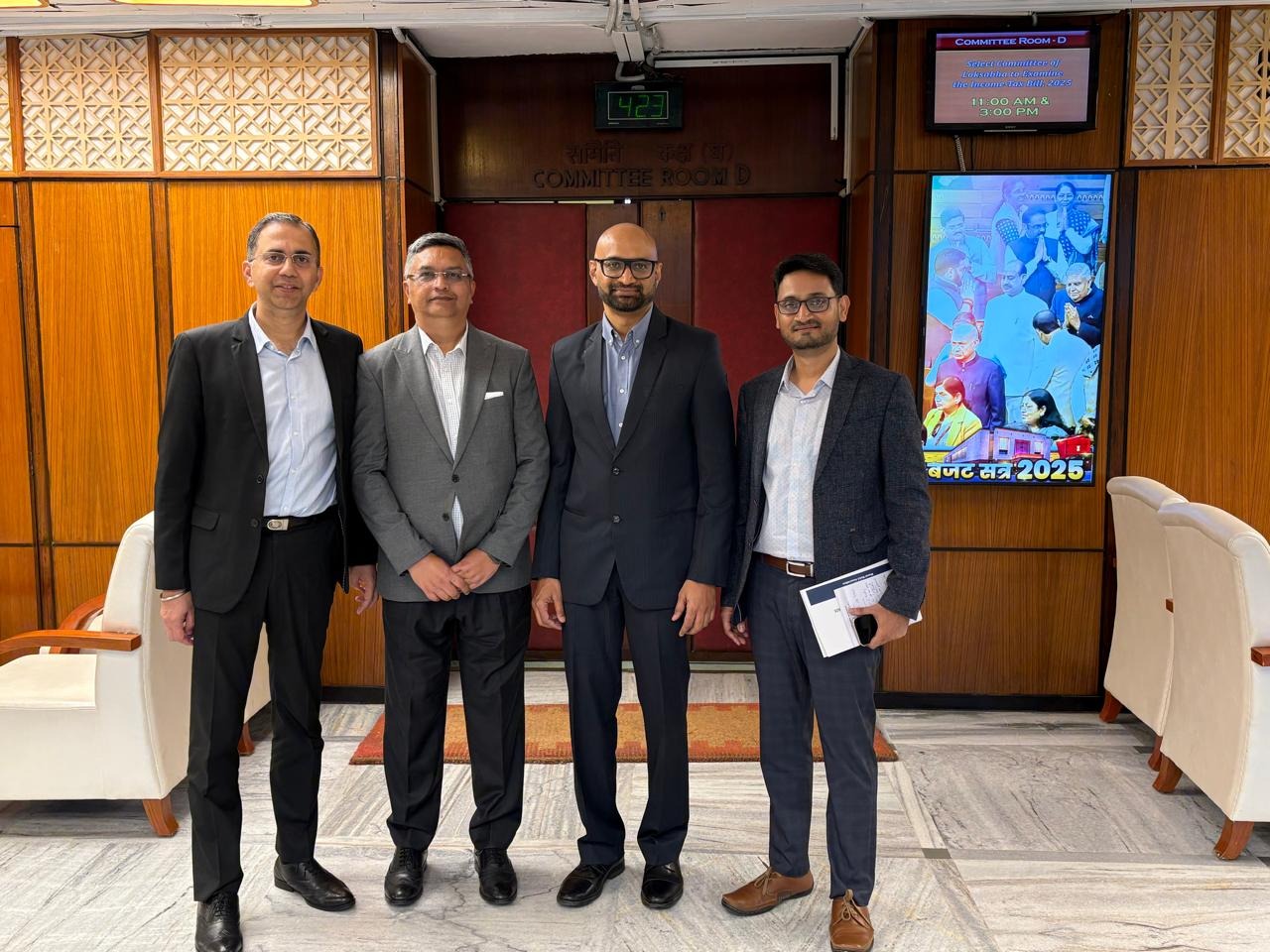
Venkatesh R, SVP-Public Policy, CoinSwitch (left) and Siva Venkataraman, CFO, CoinSwitch (right) along with BWA members representatives after meeting with the Select Committee of Lok Sabha on Income-Tax Bill, 2025
Parliamentary Panel Studying VDAs
Venkatesh R, SVP-Public Policy, CoinSwitch led a Bharat Web3 Association (BWA) delegation to meet Dr. Bhartruhari Mahtab, Lok Sabha MP and Chairperson of the Parliamentary Standing Committee on Finance. Following the meeting, the Committee has selected ‘A Study on Virtual Digital Assets (VDAs) and Way Forward’ as a subject for detailed examination. This is the first time that VDAs have been selected as a stand-alone subject for examination by a Parliamentary panel.
Following regular and repeated engagement with committee members, CoinSwitch, BWA members and other industry peers were invited for a discussion by the panel in December. CoinSwitch made a strong case for urgent VDA regulations and tax rationalisation before the Committee. After having met officials from the Department of Economic Affairs, the Committee is scheduled to meet representatives from Financial Intelligence Unit (FIU-IND) & Central Board of Direct Taxes (CBDT) in January 2026. A report of the panel with observations/recommendations will be tabled in the Parliament. The concerned Ministries/Departments are to take action on the recommendations contained in the report and furnish action taken replies within three months.
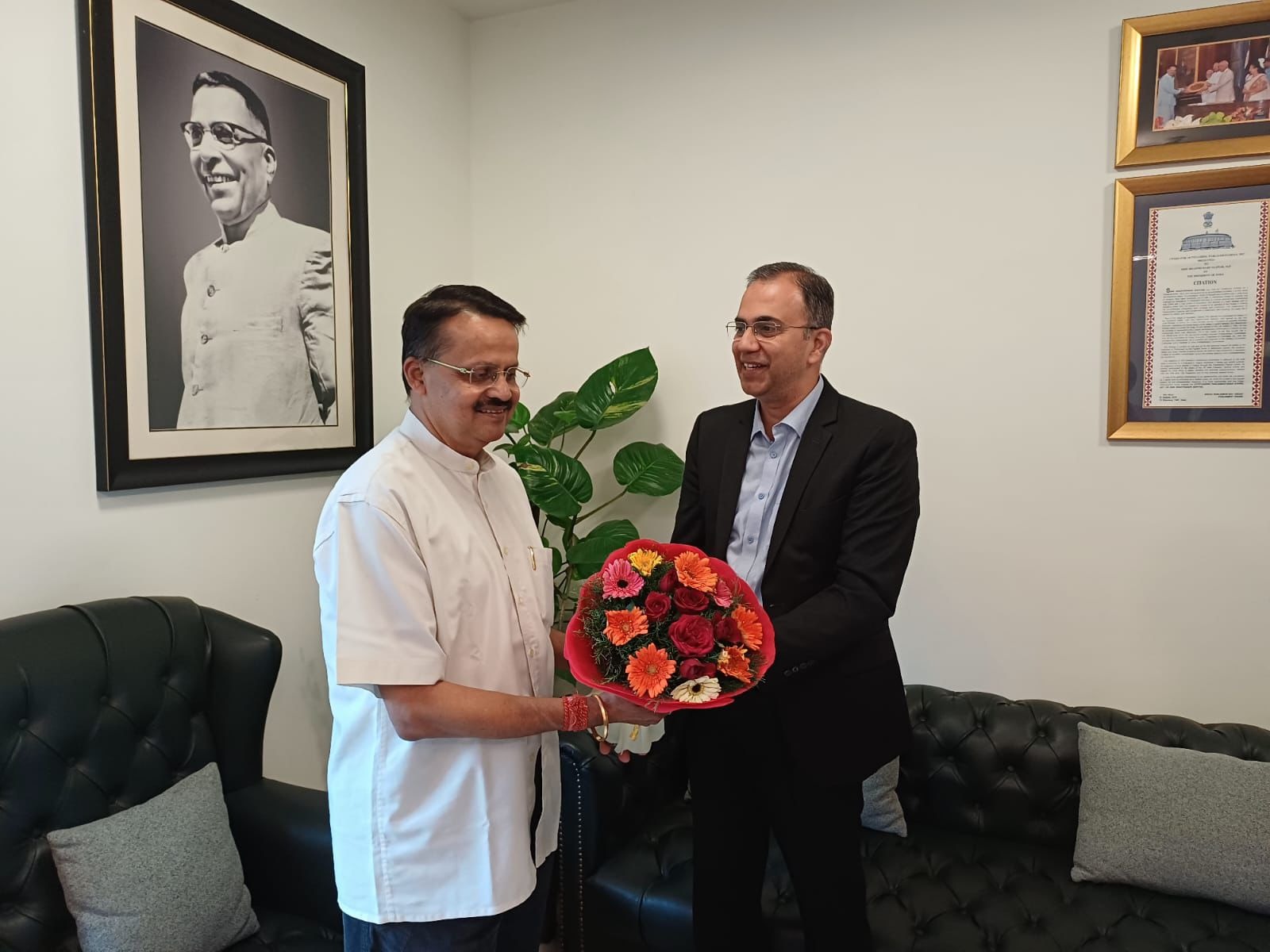
Meeting with Dr. Bhartruhari Mahtab, Lok Sabha MP and Chairperson of the Parliamentary Standing Committee on Finance.
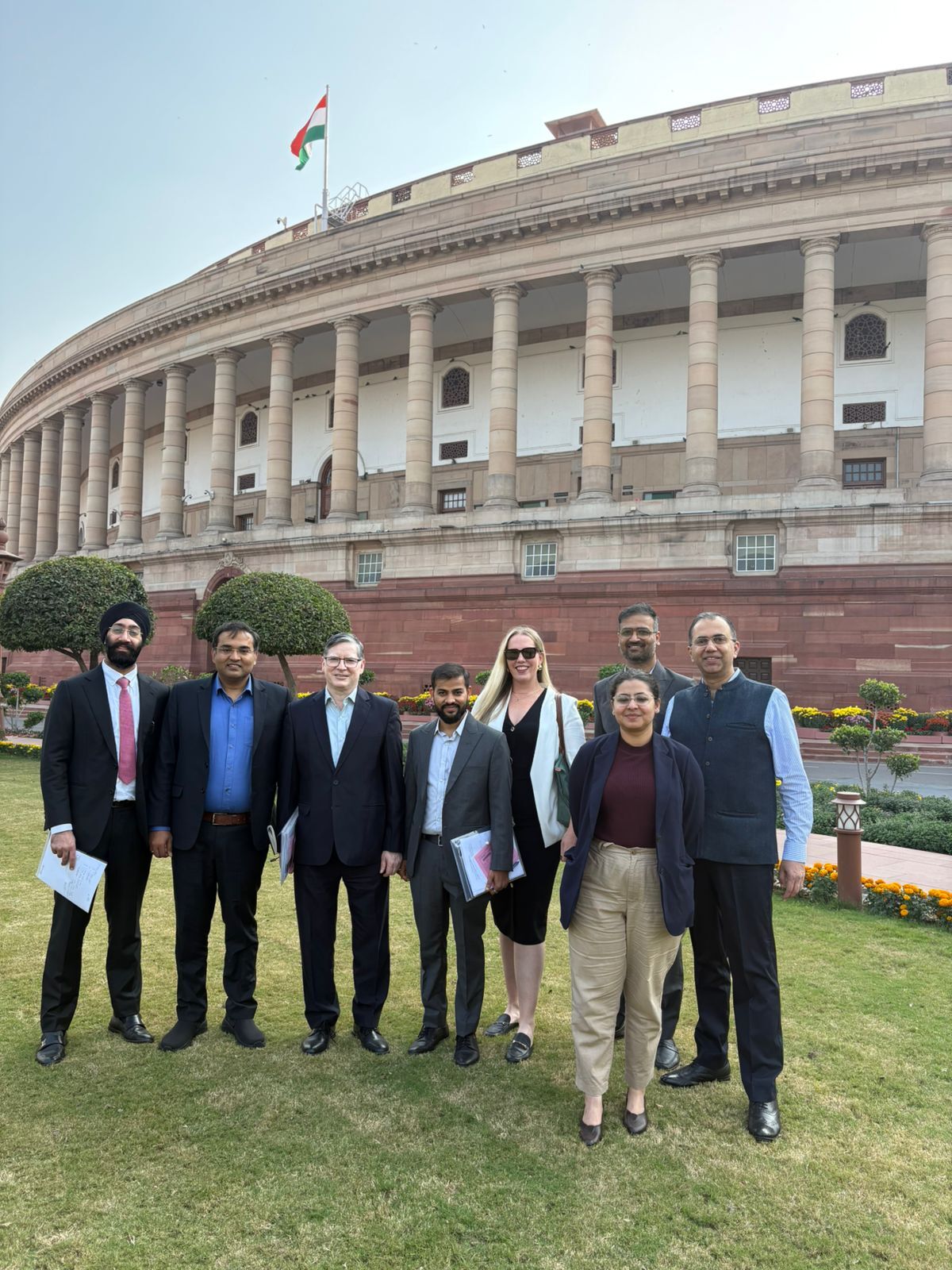
CoinSwitch and BWA members after meeting the Parliamentary Standing Committee members in December
BWA-led Industry Initiatives to Foster Collaboration
As a founding member of Bharat Web3 Association, CoinSwitch hosted two important events aimed at fostering collaboration among industry players towards achieving common goals. We hosted this year’s annual BWA Founders’ Meet, which saw strong participation from founders and their teams, with around 45 members joining both online and offline.
Acknowledging the need for stronger collective defences in this high-risk domain, we hosted the first-of-its-kind Cybersecurity Workshop bringing together key stakeholders from the Virtual Digital Asset Service Providers (VDASPs) and wallet provider community to initiate a much-needed dialogue on securing the Web3 ecosystem in India.
We contributed to the model legislation on VDA regulation in India released by the BWA. This has been circulated among key government stakeholders.
We actively supported BWA’s 100-day Crypto S.A.F.E. Campaign (Secure Asset & Financial Education). The initiative aimed to educate and empower users on responsible investing, digital hygiene, cybersecurity, and the importance of “Do Your Own Research” (DYOR) in a rapidly evolving Web3 ecosystem.
BWA is actively pursuing a path towards establishing a Self-Regulatory Body (SRB) to foster a secure and compliant Web3 ecosystem in India.
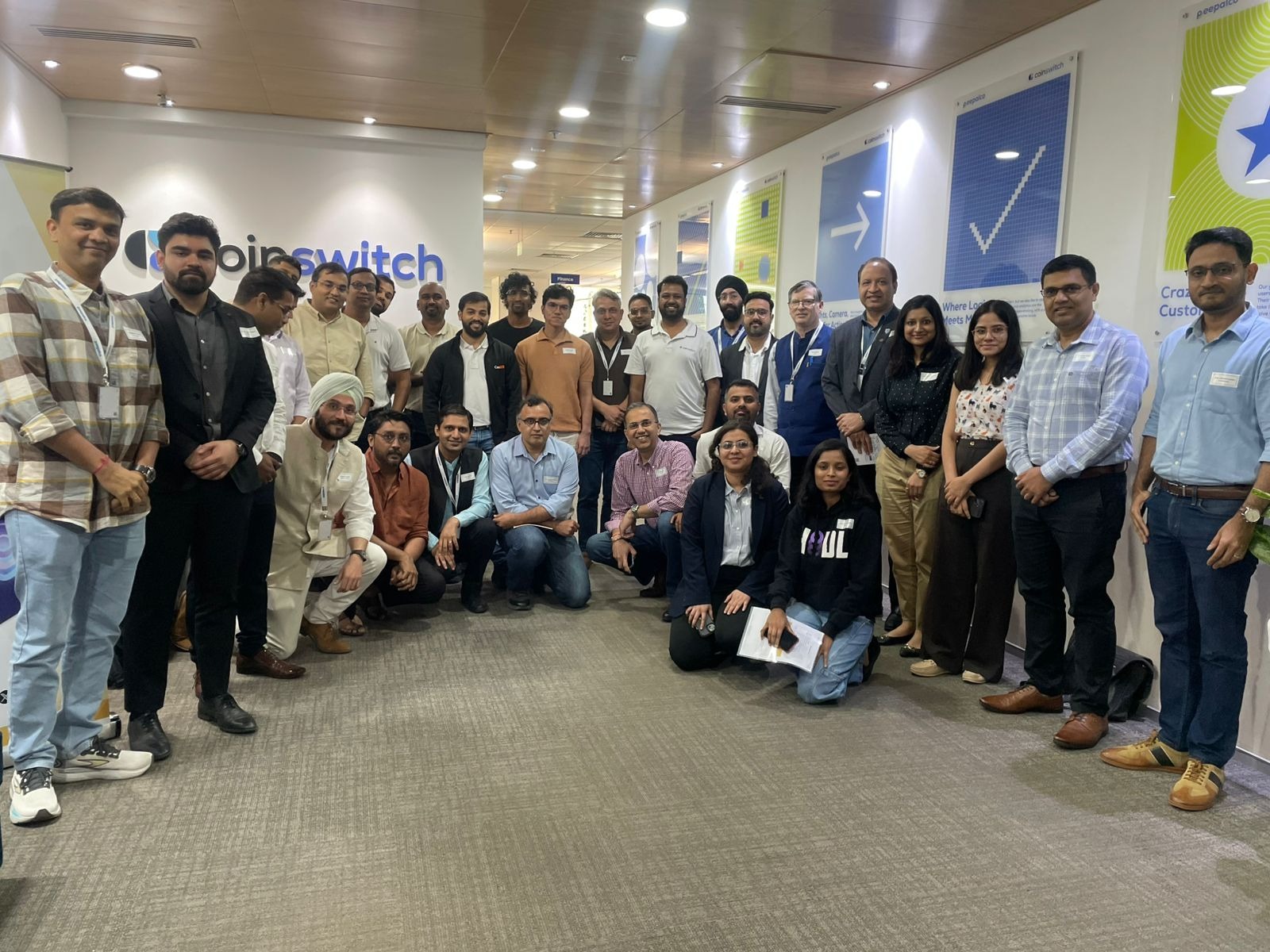
We hosted the 3rd BWA Founders’ Forum at the CoinSwitch
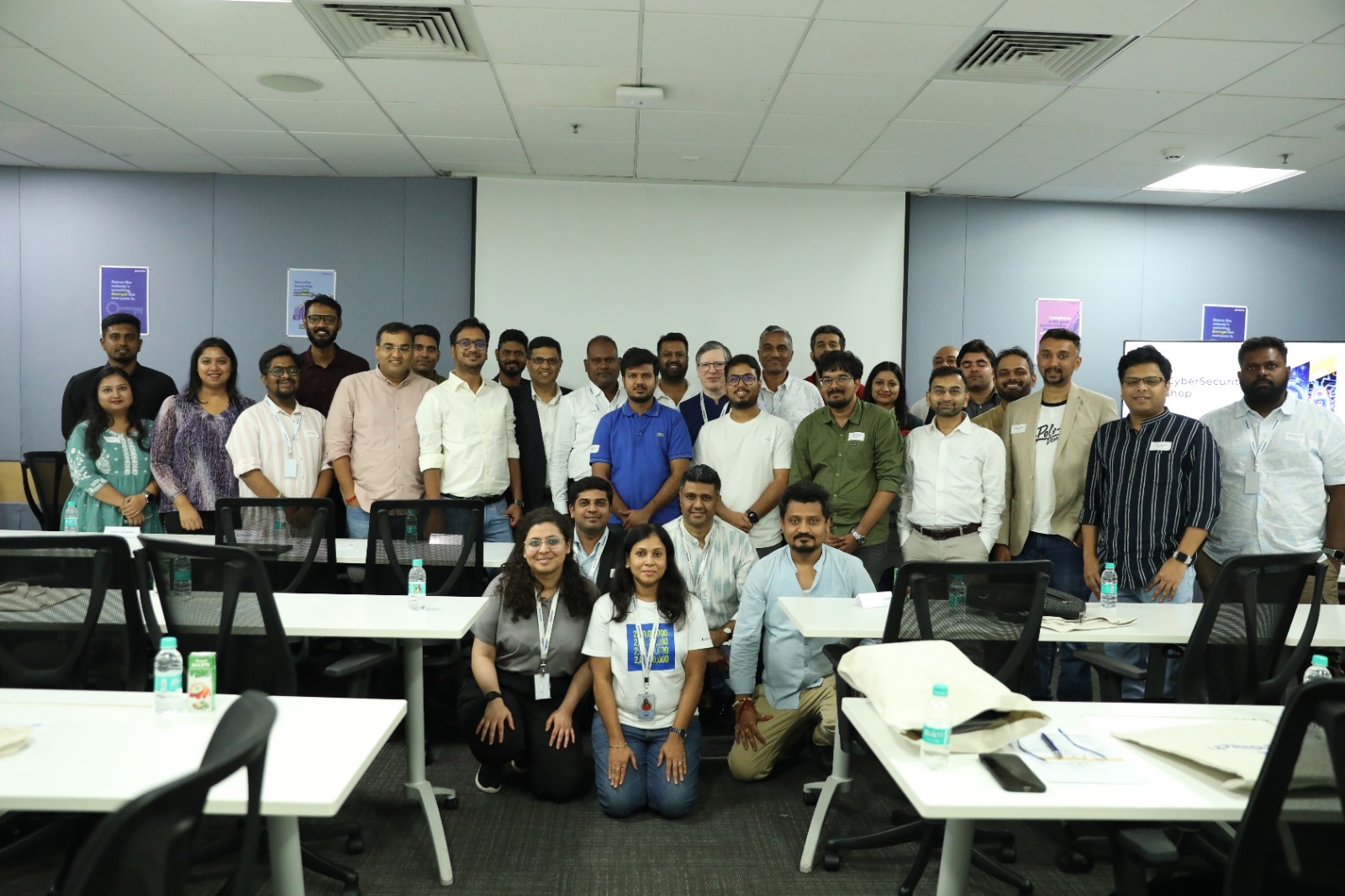
CoinSwitch hosted BWA Cybersecurity Workshop with nearly 40 attendees
FIU-IND Strengthens Oversight
FIU-IND, which has brought VDA Service Providers (VDASPs) under its ambit for Anti-Money Laundering (AML) and Countering the Financing of Terrorism (CFT) surveillance since March 2023, has strengthened its oversight on the sector via new circulars/guidance. Given the recent cybersecurity incidents involving centralized exchanges, FIU-IND in its September 2025 circular has made it mandatory for VDASPs seeking FIU-IND registration to furnish a cyber security audit certificate from Indian Computer Emergency Response Team. FIU-IND has also replaced the earlier ‘Fit & Proper’ certificate, required from new applicants, with a ‘Partner Accreditation for Compliance & Trust’ (PACT) certificate in all cases where the applicant VDAPS is into relationship/agreement (B2B/broker/other relationship etc).
CoinSwitch was invited to be part of the Financial Action Task Force’s (FATF) Private Sector Collaborative Forum 2025 in Mumbai and had the privilege to interact with its President Elisa de Anda Madzaro.
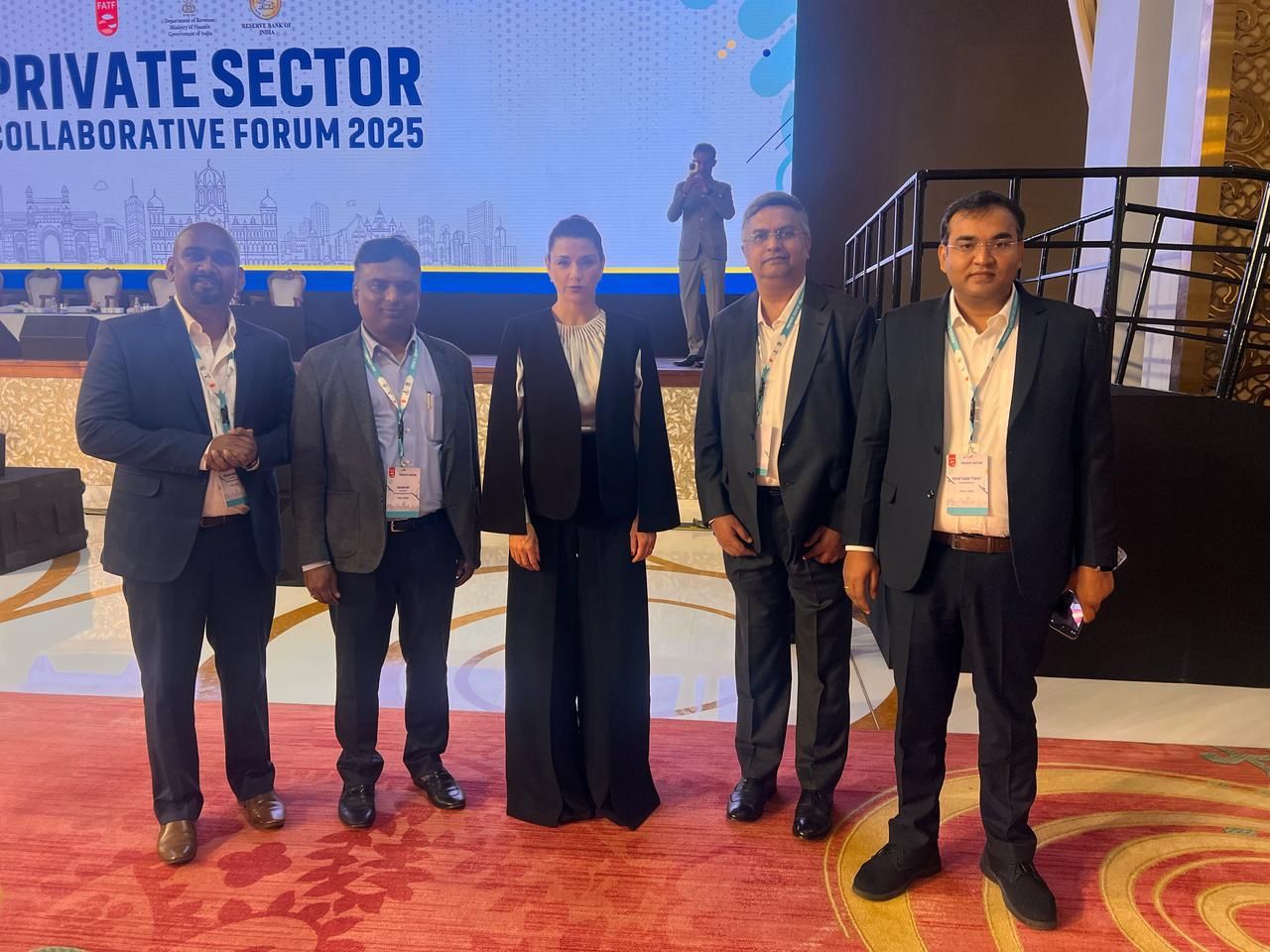
Vimal Sagar Tiwari, Co-founder, CoinSwitch (left) with FATF President Elisa de Anda Madzaro (centre)
Finance Minister’s Statement on Stablecoins
In October 2025, the Finance Minister Nirmala Sitharaman publicly articulated her views on stablecoins, perhaps for the first time, calling them as “innovations”.
In her brief, candid comments at an event in Delhi, she recognised that stablecoins can’t be brushed under the carpet any longer and every nation is now “forced” to engage with them. “Innovations like stablecoins are transforming the landscape of money and capital flows. These shifts may force nations to make binary choices; adapt to new monetary architecture or risk exclusions,” she said.
The Reserve Bank of India (RBI), however, continues to maintain a cautious stance on stablecoins. In its Financial Stability Report released on December 31, 2025, it notes: “The RBI maintains a cautious stance on crypto assets, including stablecoins, prioritising sovereign digital infrastructure to safeguard monetary sovereignty amid global shifts and preserve financial stability…Central Bank Digital Currencies (CBDCs) can achieve the benefits that stablecoins claim to offer, i.e., efficiency, programmability, and instant settlement, but with the credibility and safety of central bank money. The RBI, therefore, strongly advocates that countries should prioritise CBDCs over privately issued stablecoins to maintain trust in money, preserve financial stability and design next generation payments infrastructure that is faster, cheaper and secure.”
Pan-India Paper Presentation Competition
CoinSwitch successfully concluded ‘Block by Block’, a national-level paper presentation competition focused on Virtual Digital Assets (VDAs). The initiative, launched in partnership with India’s leading law firm Trilegal, and The Centre for Technology, Entertainment and Sports Law at NUJS Kolkata, challenged students to develop innovative, practical policy proposals on the regulation of VDAs in India. Participants were invited to submit papers on the theme: “A Policy Approach for Regulation of Virtual Digital Assets/Cryptoassets to Foster the Growth of a New Asset Class in India.”
The top five entries picked by the jury will be published in January 2026 as a book to be distributed among public policy stakeholders and law universities across the country.
Deepening Engagement with Members of Parliament
We had a sustained and focused engagement with Members of Parliament from both Lok Sabha and Rajya Sabha throughout the year on a range of issues including regulation and taxation. A glimpse of some meetings…
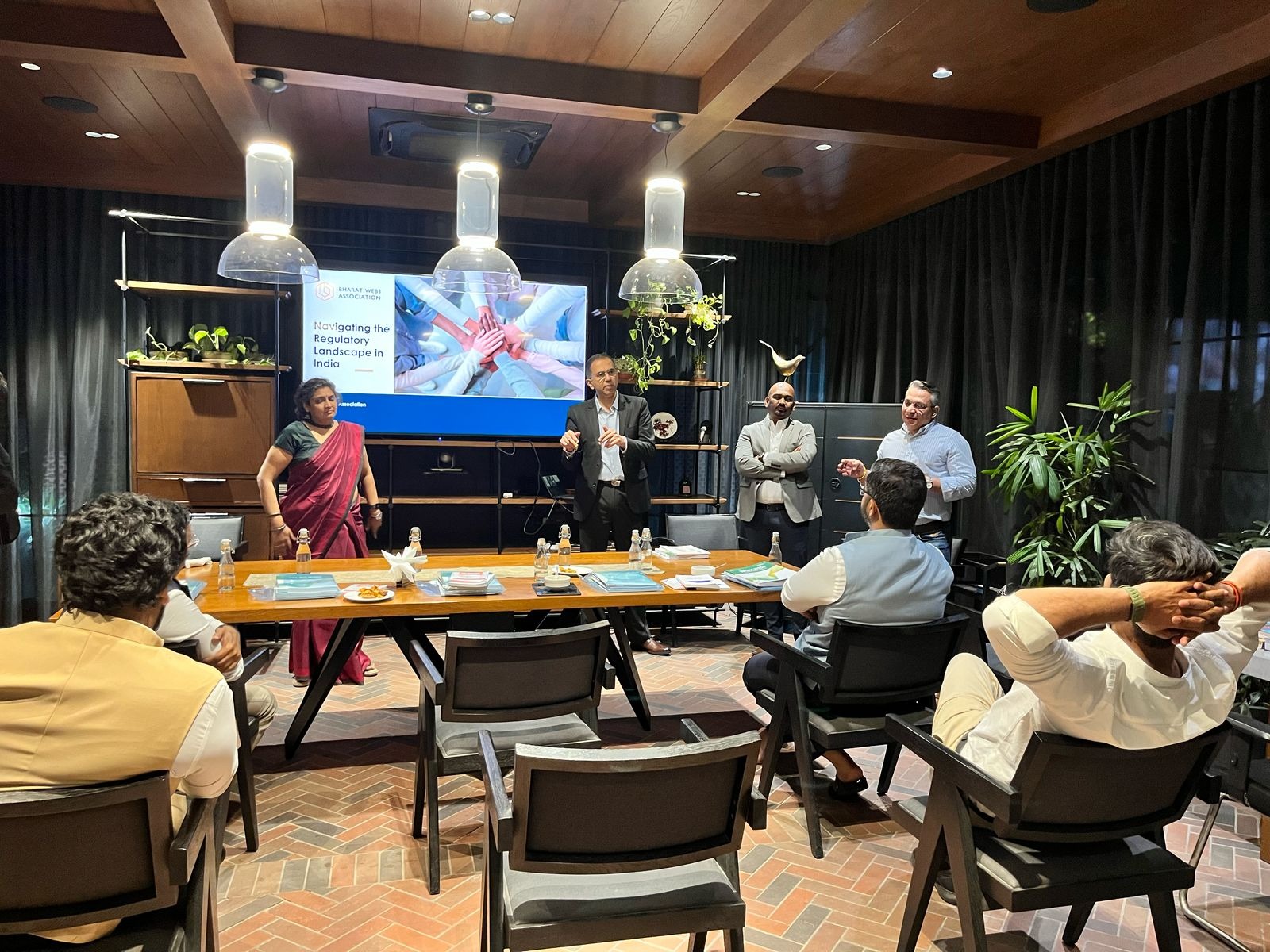
Roundtable discussion with MPs from Telugu Desam Party
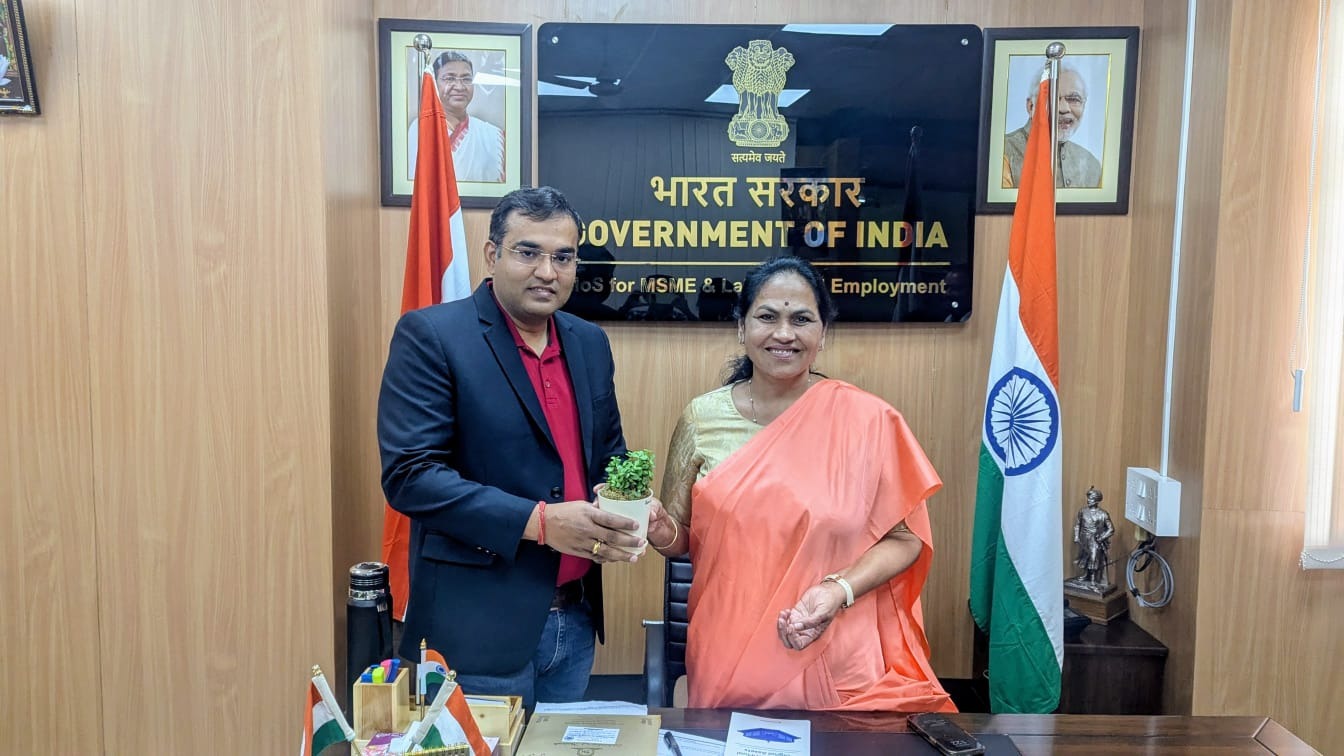
With Shobha Karandlaje, Lok Sabha MP from Bangalore
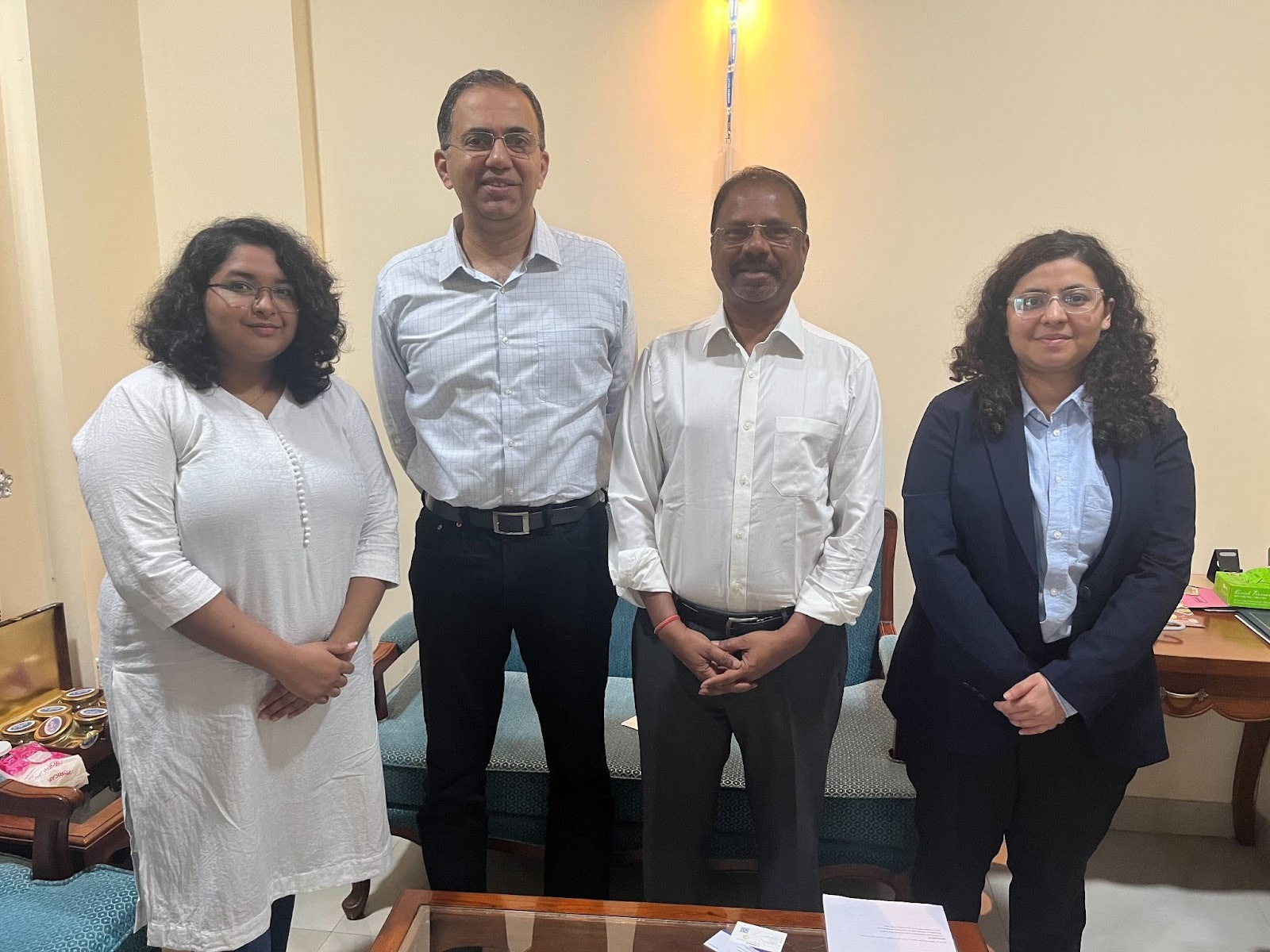
With MP Krishna Prasad Tenneti, former IPS officer and Lok Sabha MP from TDP
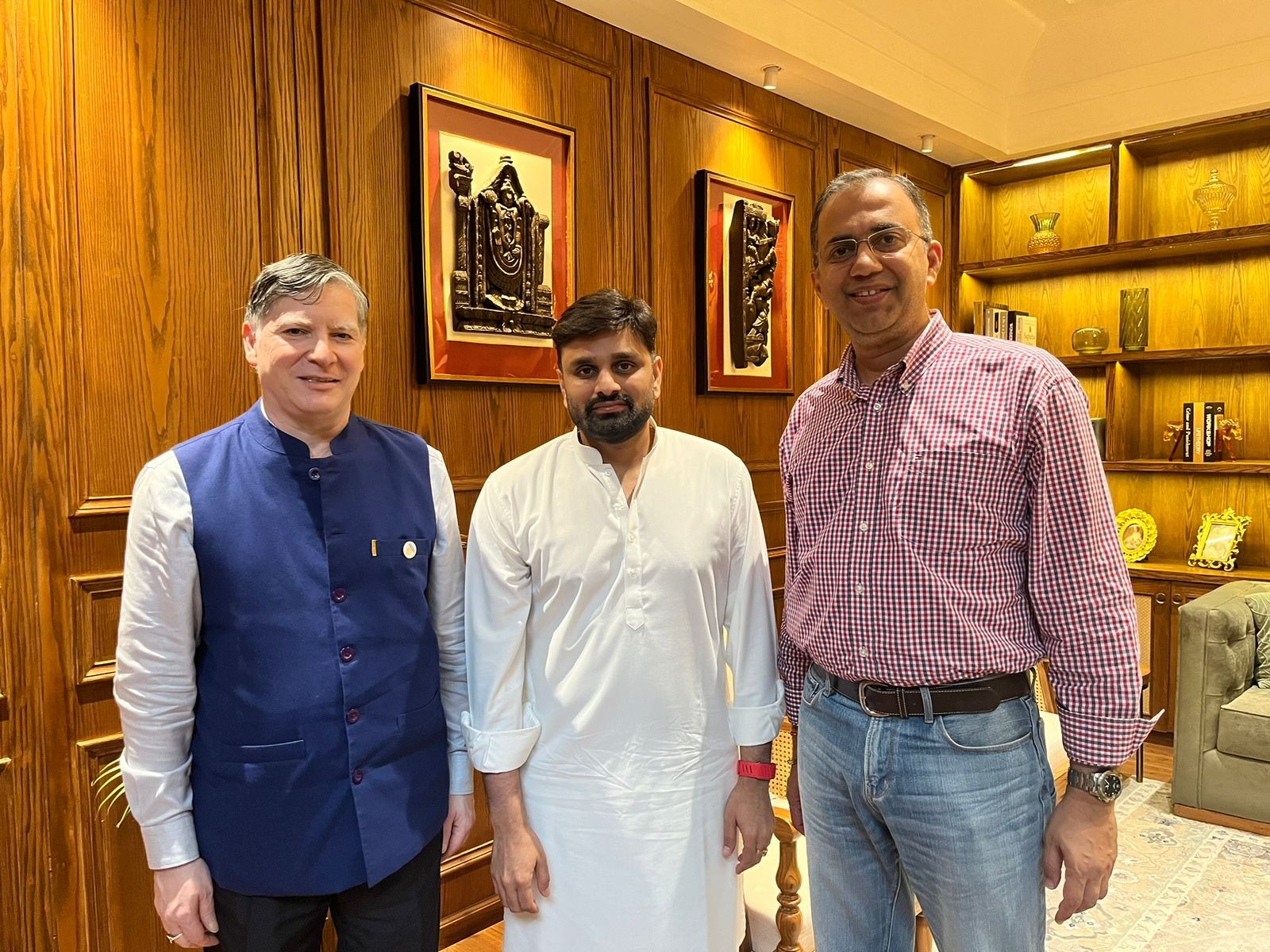
With Putta Mahesh Kumar, Lok Sabha MP from Andhra Pradesh
Building on the momentum, we expect 2026 to accelerate the pace of regulatory action across the globe. With the United States assuming the G20 Presidency, digital assets will continue to be a talking point. FSB will focus on growing interlinkages between cryptoassets, stablecoins and the broader financial system.
Clear and comprehensive regulations will unlock the untapped Web3 potential in India creating new jobs, enhancing trust and transparency and bringing economic prosperity.
At CoinSwitch, we remain committed to working with all stakeholders, including policymakers and regulators, to help shape effective regulations for cryptoassets in India to foster innovation while mitigating risks.